Tuesday, April 15, 2014

How to Kill Fungus Gnats

Standard

Fungus gnats are small, "mosquito-like," gray-black, flies of the Sciaridae fly family often noticed around house plants and windows. Found throughout the United States, most species inhabit fungi or dead plant materials, but sometimes young maggots injure plants by feeding on roots. This occurs particularly if the maggots become very numerous and thus limit their food supply.

Fungus Gnats
Host Plants and Damage

Fungus gnats are general feeders. They attack a wide range of ornamental and vegetable plants. Some species can be serious pests in mushroom houses. The maggot or larvae is the damaging state. However, the adult flies are usually noticed before larval damage to the plant is apparent. When maggots become numerous they strip the roots resulting in loss of plant vigor and yellowing and wilting of the leaves.

Friday, April 11, 2014

How to Kill Ants: Controlling ants in your home

Standard

Your picnic basket has not seen the light of day in years, that red-checkered tablecloth is clean and stowed in the linen closet, and you haven't so much as cracked a window to let in that stifling summer air. Why then are there ants in your food, on your floor, in your cupboards, on your counters and everywhere else you dare look? Why, it’s worse than that killer bee movie. It's an infestation! Something must be done to stop them, and quickly!

How to Kill Ants

OK, focus, because I'm going to help. Don’t call the local, poison-squirting bug buster to solve your ant problem. Conventional insecticides, aside from their health hazards, can also cause a single ant colony to break up into many smaller colonies, creating an even bigger problem. There are, however, several do-it-yourself, least-toxic ways to get rid of ants and eat in peace. As you plan your attack, remember that ants aerate soil, recycle dead animal and vegetable matter, and prey on other insect pests. They are good for the environment (well, the outdoor environment), so control yourself.

Thursday, April 10, 2014

How to Kill Spider Mites: Management in Home Gardens

Standard

Spider mites live and feed on a wide variety of plants grown in Nevada gardens. Trees, shrubs, flowers, vegetables and even lawns may host a small population of spider mites without serious damage.

Spider mites are not insects. They are arachnids, whichalso includes spiders, ticks, and scorpions. Adult mites normally have eight legs. They do not have antennae or wings.

Spider Mites

Spider mites are small, often difficult to see without a hand lens. Color varies with species and even with the time of year: colorless red, brown, yellow and green spider mites are common. Spider mites puncture plant tissue with piercing mouthparts to feed on plant juices. Chlorophyll is removed along with plant fluids. As a result, plants infested with spider mites have a white or yellow speckled appearance. The plants look dull and unthrifty. Mites feed primarily on the undersides of leaves, out of sight and away from direct sunlight. Heavy infestations discolor leaves. When mites feed on fruit, it causes bronzing or russetting. This discoloration makes the fruit cosmetically unappealing but seldom damages the edible interior of the fruit. Heavily infested plants drop their leaves prematurely. Mites tend to congregate on the south and west side of plants, where dry winds and heat stress occur. Spider mite infestations are usually localized, occurring on a single branch, isolated in the interior branches or on new growth.

Wednesday, April 9, 2014

How to Kill Fleas: Guideline for the Control of Fleas

Standard

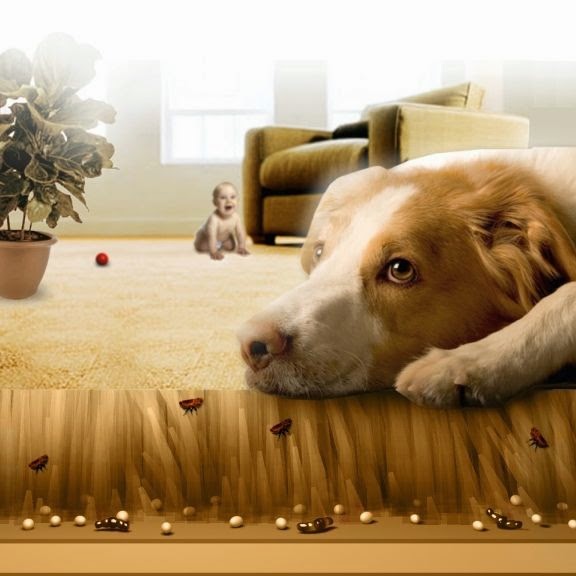
The biggest frustration faced by loving dog owners is fleas and ticks. When you pet has fleas, it can be tricky to get rid of them properly. Following the advice below will ensure that you remain flea-free!

How to Kill Fleas

1. FIRST TREAT THE HOUSE

Once inside the house, eggs, larvae and adults will have been dropped and travel throughout the house in the carpets, soft furnishings and floorboard cracks. Eggs will continue hatching out for the next 3 years, so it is important to stop this cycle by using a household spray which kills eggs and larvae, as well as adult fleas. These are not readily available from pet shops, which tend to sell sprays killing adult fleas only. Just a couple of weeks later, more eggs will have hatched out and you will be back to square one.